By Ellen Colasuonno, MS RDN/ Nutrition & Wellness Educator
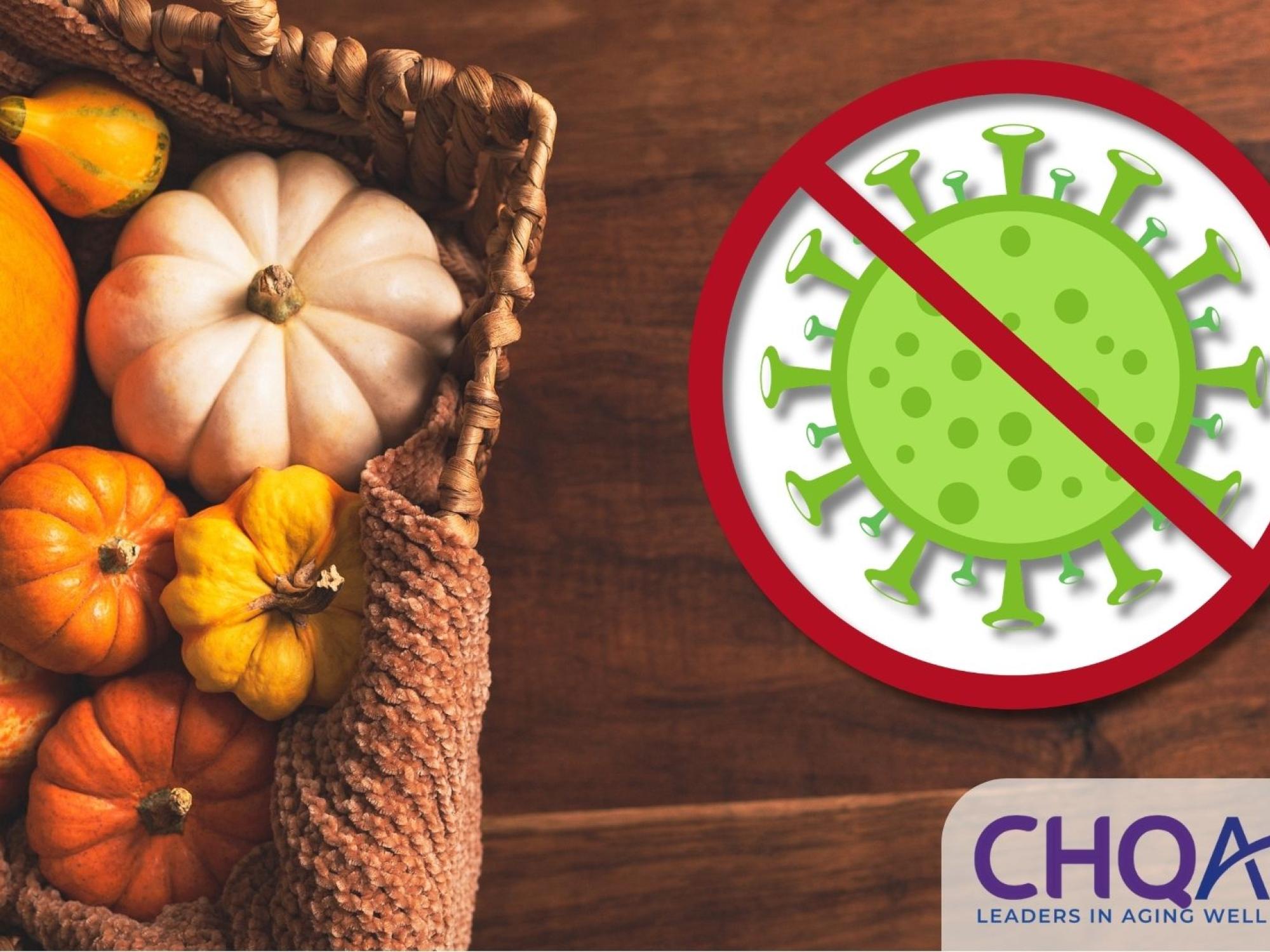
Pumpkin spice may be everywhere this time of year, but unfortunately, so is the flu. As we head into fall and winter, it is a good time to think about ways to support your immune system and protect yourself from illness.
No single food can prevent the flu, and there is no magic ingredient hiding in your kitchen cabinet waiting to save the day. But the foods you choose regularly can play an important role in your overall health and normal immune function. Eating a variety of nutritious foods provides the vitamins, minerals, protein, and other nutrients your body needs to keep your immune system working properly.
When it comes to fall favorites, citrus fruits are a great place to start. Oranges, lemons, limes, and other kinds of citrus are good sources of vitamin C, an important nutrient for normal immune function. Citrus fruits are an easy and delicious way to include vitamin C in your diet. Try adding orange slices to breakfast, squeezing fresh lemon juice over vegetables or fish, or keeping clementines on hand for an easy snack. Your morning orange may not be able to fight off the flu by itself, but it certainly makes a colorful addition to your plate!
Garlic is another ingredient that can add plenty of flavor to your meals. Its sulfur-containing compounds have been studied for their potential health effects, but evidence that garlic prevents colds or the flu is limited. In other words, garlic can add plenty of flavor, but don't count on it to write you a prescription! Think of it as a tasty addition to an overall healthy eating pattern. Add fresh garlic to soups, roasted vegetables, beans, pasta, or homemade salad dressing. Herbs, spices, garlic, and ginger can also season meals without relying heavily on salt.
Ginger can bring a little warmth to your fall meals, too. While it should not be considered a way to prevent the flu or “boost” your immune system, ginger contains compounds with antioxidant and anti-inflammatory properties and can be a flavorful addition to a nutritious diet. Try adding fresh ginger to tea, stir-fries, soups, oatmeal, or smoothies.
Remember, variety matters more than any single “superfood.” Your immune system needs many different nutrients to function properly, so aim for a variety of fruits and vegetables, whole grains, beans, nuts and seeds, dairy or fortified alternatives, and protein foods. What you eat is only one part of staying healthy during flu season. Washing your hands regularly, staying active, getting enough sleep, and staying hydrated are also important. Think of it as a team effort, with lots of healthy habits working together!
This fall, remember the basics: There is no magic food that can keep you from getting sick, but nourishing your body with a variety of foods, practicing healthy habits, and staying up to date on recommended vaccines can all help you take care of your health this season. Enjoy the pumpkin spice, enjoy the changing leaves, and most importantly, give your body the nourishment and care it needs!
Check out our website at chqgov.com/office-aging to see all the programs and services offered. Additionally, by signing up for our communication system, if you are not already registered, will provide you with information at your fingertips. We send messages about the current programs you may be interested in through your preferred communication method: text, email, or an automated call. If you are not already signed up to receive these messages, just call us at our NY Connects line 716-753-4582.
By making simple and healthy choices on a daily basis, you will be well on your way towards achieving total wellness. We know the healthy choice is not always the easiest choice, but small changes can make a big difference. Chautauqua County Office for Aging Services offers Nutrition & Wellness programs to support you in your journey toward total wellness. Call NY Connects at 716-753-4582 for more details and information about any of the Nutrition and Wellness programs provided by Chautauqua County Office for Aging Services.
SNAP-Ed materials are funded by USDA’s Supplemental Nutrition Assistance Program or SNAP. This institution is an equal opportunity provider. Some of these materials have been funded in whole or in part by grants from the New York State Office for the Aging (NYSOFA), and/ or the Administration on Aging (AOA) and/ or Administration for Community Living (ACL). Nothing herein is intended, nor should be construed, as an endorsement by the State of New York.