Article by Kerry Mihalko, RD, CDCES, UPMC Chautauqua Diabetes Education Program Coordinator
Diabetes is one of the most common chronic health conditions in the United States. According to the Centers for Disease Control and Prevention, an estimated 40.1 million Americans, or 12% of the population, had diagnosed or undiagnosed diabetes in 2023. Approximately 11 million adults with diabetes did not know they had it. An additional 115.2 million adults had prediabetes, meaning their blood sugar was above normal but not yet high enough to be diagnosed as diabetes.
Prediabetes and type 2 diabetes often develop gradually and may not cause noticeable symptoms at first. Risk factors include having overweight or obesity, being physically inactive, having a family history of type 2 diabetes, having had gestational diabetes, and being age 35 or older. Because people may feel well even when their blood sugar is elevated, regular screening is important. A healthcare provider may use an A1C test, fasting blood glucose test, or oral glucose tolerance test to identify prediabetes or diabetes.
The good news is that type 2 diabetes can often be prevented or delayed. For people with prediabetes, losing approximately 5% to 7% of starting body weight and completing at least 150 minutes of moderate physical activity each week can significantly reduce the risk of developing type 2 diabetes. Participation in a CDC-recognized National Diabetes Prevention Program can reduce the risk by 58%, and by 71% for adults over age 60.
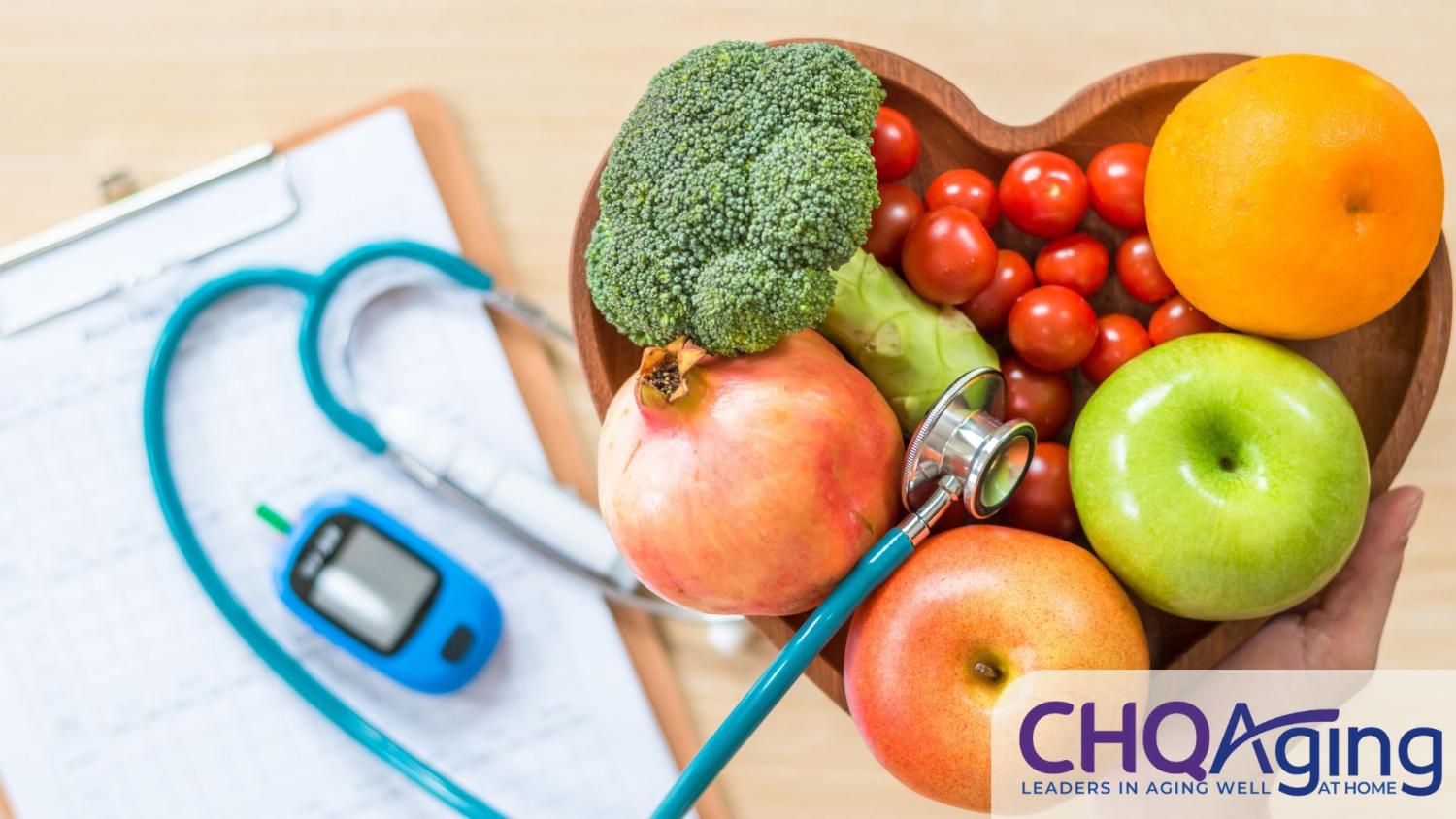
Healthy eating is another important step. Meals should emphasize vegetables, whole grains, beans, lean protein, fruit, and appropriate portions of low-fat dairy products. Sugary drinks, sweets, highly processed foods, and oversized portions should be limited. A simple approach is to fill half the plate with non-starchy vegetables, one-quarter with lean protein, and one-quarter with a carbohydrate food such as brown rice, beans, corn, or a small baked potato. Drinking water instead of sugar-sweetened beverages can also reduce added sugar and excess calories.
After a diabetes diagnosis, these same habits remain important, but treatment should be individualized. People with diabetes should take medications as prescribed, monitor blood sugar as directed, and keep regular appointments with their healthcare team. Their care plan may also include routine A1C testing and monitoring of blood pressure, cholesterol, kidney health, vision, and foot health. Exact blood sugar and A1C goals should be established with a healthcare provider based on age, medications, other health conditions, and the risk of low blood sugar.
Diabetes Self-Management Education and Support, commonly called DSMES, can help individuals learn how food, activity, stress, illness, and medication affect blood sugar. These services support practical skills such as meal planning, glucose monitoring, medication use, problem-solving, and reducing the risk of complications. DSMES participation has been shown to lower A1C and help prevent or lessen diabetes-related complications.
Whether the goal is preventing type 2 diabetes or controlling blood sugar after diagnosis, small and consistent changes can make a meaningful difference. Knowing personal risk, completing recommended screening, staying active, choosing balanced meals, and seeking support early can protect long-term health and reduce the risk of heart, kidney, eye, nerve, and circulation problems.
UPMC Chautauqua offers the National Diabetes Prevention Program and Diabetes Self-Management Education and Support. For more information, please call the Diabetes Education Center at 716-485-7474.